
Three ways to get you from the Blue Mountains to Sydney Airport: the train, driving yourself, or booking a pre-arranged private transfer. For most travellers carrying luggage, travelling with family, or working to a flight time, a pre-arranged transfer is the most reliable pick because it removes the guesswork around connections and timing that the other two options carry.
- Train: about an hour and a half to Katoomba on express Intercity services, plus another leg to the airport. Budget close to a few hours door to door once you factor in the Central to airport connection, per Rome2Rio’s route data.
- Driving: roughly 90 minutes to 2.5 hours depending on where you start and how traffic behaves near Penrith and the motorway approaches.
- Pre-arranged private transfer: door-to-door, one fixed pickup, no changeovers. Costs more than the train but removes the connection risk entirely.
Solo budget travellers often do fine on the train. Families, groups, or anyone with heavy luggage or a tight international connection are better served booking ahead through Daima Journey’s Blue Mountains service.
Key Takeaways
For travellers with luggage, families, or a flight to catch, a pre-arranged private transfer removes the connection risk that the train and self-drive options both carry.
| Point | Details |
|---|---|
| Train is cheapest but slowest overall | Budget close to three hours once you include the Central to Airport Link connection. |
| Driving depends heavily on traffic | Expect 90 minutes to 2.5 hours via the M4, with parking costs on top. |
| Peak hour and event weekends add risk | Build in extra buffer time for Penrith traffic jams and Blue Mountains event traffic. |
| Confirm flight details before travel | Whichever mode you choose, share your flight number so delays can be managed properly. |
| Daima Journey handles door-to-door logistics | Its Everyday and Premium services cover meet-and-greet, luggage help, and confirmed pickup for Blue Mountains to Sydney Airport transfers. |
Comparing your transport options from the Blue Mountains to Sydney Airport
Each mode of transport suits a different kind of traveller. Here’s how they stack up against each other.
Train (Blue Mountains Line + Airport Link)
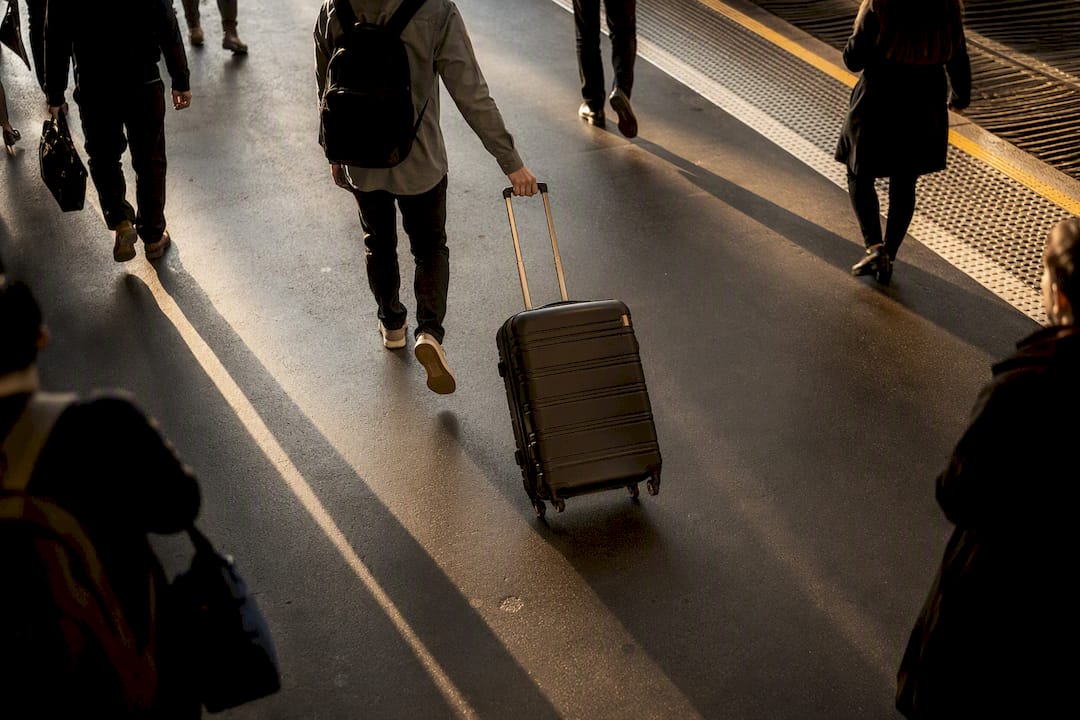
Typical duration: around 90 minutes to Katoomba on express services, longer on all-stops trains, plus a Central to airport connection that adds 20 to 30 minutes and its own fare. Cost is generally the cheapest of the three options. The upside is predictability outside peak hour and no need to worry about parking. The downside is luggage handling on stairs and platforms, plus the added risk of a missed connection at Central if your Blue Mountains train runs late.
Driving (self-drive via M4/Great Western Highway)
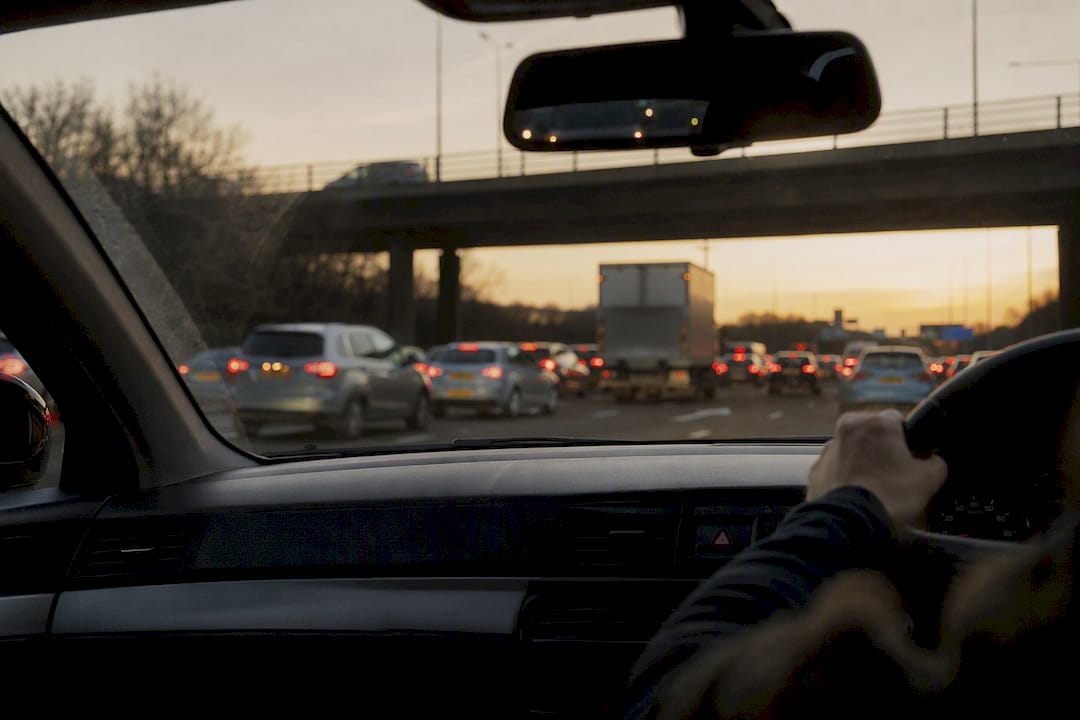
Typical duration: 90 minutes to 2.5 hours depending on traffic and time of day. Costs include fuel, tolls, and airport parking, which adds up quickly for anything beyond a short stay. It suits groups splitting fuel costs or travellers who need flexibility, but it’s a poor fit for someone flying solo who then has to deal with parking fees while they’re away.
Coach or bus
Regional bus and coach services connect Blue Mountains towns to Sydney, though most travellers use these for local trips rather than direct airport runs. They’re worth checking for last-mile connections between accommodation and train stations, and CDC’s regional timetables cover the Katoomba loop and Springwood connections.
Rideshare vs a pre-arranged private transfer
These are not the same thing. On-demand rideshare in the Blue Mountains can be patchy, with fewer available cars than you’d find in central Sydney, and pricing that shifts with demand. A pre-arranged private transfer is booked ahead, with a fixed pickup time, a confirmed vehicle, and a price agreed before the trip. That distinction matters most when you’re catching a flight and can’t afford a driver who doesn’t show.
- Trains and connecting Airport Link services require an Opal card or contactless payment.
- Driving involves tolls on the motorway network and separate parking fees at the airport.
- Pre-arranged transfers are quoted and confirmed before you travel, so there’s no surprise on the day.
How does the train from Blue Mountains to Sydney Airport work?
Katoomba, Mount Victoria, and Bell are the stations most travellers use, with Katoomba the busiest and best served. Intercity trains on the Blue Mountains Line run at least hourly, and Transport for NSW notes express services reach Katoomba in around 90 minutes, while all-stops trains can take close to two hours.
- Board an Intercity or express service heading toward Central Station.
- At Central, transfer to the Airport Link line, which runs directly to the domestic and international terminals.
- Tap on and off using an Opal card or contactless payment, since paper tickets aren’t accepted on these services.
- Allow extra time at Central for the platform change, especially with luggage or stairs involved.
Airport Link adds its own fare on top of the regional trip, and factoring the transfer in, most journeys land close to three hours total, a figure that lines up with Rome2Rio’s combined-journey estimates. Peak-hour delays on the Blue Mountains Line aren’t unusual, and a missed connection at Central has a different recovery path than a missed flight, so build in a decent buffer if you’re catching an early departure.
Pro Tip: If you’re flying international and only have one shot at making check-in cutoff, the train’s tight connection at Central makes it a riskier choice than a pre-arranged transfer that skips the changeover entirely.
Is driving to Sydney Airport from the Blue Mountains worth it?
The main route runs via the M4 and Great Western Highway, and Visit NSW puts the drive from Sydney to Katoomba at around 90 minutes in normal conditions, with the reverse trip to the airport following a similar pattern. Traffic tends to bunch up near Penrith and on the motorway approaches into the city, so leave more time than the base estimate suggests, particularly on weekday mornings or during Blue Mountains event weekends.
- Fuel, tolls on the M4, and airport parking are the three cost components to budget for.
- Pre-booking airport parking is worth doing ahead of time rather than paying at the gate.
- Short drop-off works fine for a quick goodbye, but long-term parking adds up fast for trips over a few days.
- Driving suits groups sharing costs and luggage; it’s a poor fit for one traveller on a tight schedule who then has to deal with parking logistics alone.
Checking a live traffic app before you leave is a smart habit here. Off-peak, driving can be the fastest option; peak hour can undo that advantage entirely.
How a pre-arranged private transfer works for this route
Booking through Daima Journey’s airport-transfer service follows a straightforward process. You submit your pickup and destination details, choose between the Everyday service for practical comfort or the Premium service for a more polished arrival, and receive a personalised quote before confirming anything.
- You request a quote with your pickup location, flight details, and passenger count.
- Daima Journey reviews the details and confirms the vehicle and service level.
- You get a confirmation with pickup instructions and driver contact ahead of the trip.
- On the day, the driver handles meet-and-greet and luggage assistance, and coordinates with groups or families needing child seats or extra help.
The trade-off is straightforward: a pre-arranged transfer costs more than the train, but you’re paying for a fixed pickup point, no platform changes, and a driver who’s expecting you. Daima Journey’s guidance on waiting time explains how allowances work if a flight runs late, which matters more than most travellers realise until they’ve actually been stuck at arrivals with no plan. Confirming your flight number ahead of time lets the service track delays and adjust the pickup accordingly, rather than leaving you to scramble.
Pro Tip: Confirm your flight number when you book, not just your pickup time. It’s the detail that lets a driver adjust for a delayed landing instead of leaving on the original schedule.
For families or groups with heavy luggage, this kind of coordination tends to reduce stress at both ends of the trip, since someone else is handling logistics that would otherwise fall on you at 5am.
Planning your departure: a checklist for getting it right
Getting the timing right matters more than the mode you choose. Here’s an order of operations that works for most trips.
- Check your flight type. Domestic flights generally need a 90 minute buffer before boarding closes; international flights need closer to three hours.
- Factor in luggage. More bags mean more time at check-in and more time getting from your accommodation to the pickup or station.
- Confirm the details the night before. Flight status, booking reference, driver contact (if using a transfer), pickup point, and any special equipment like child seats.
- Build in a contingency. If you’re on the train and it’s running late, know the next available service. If you’ve booked a transfer, keep the confirmation number handy in case you need to call.
- Add extra time on weekends. Event traffic in the Blue Mountains, particularly around Katoomba, can extend both driving and last-mile travel times.
Pro Tip: Write down your pickup point the night before, not the morning of. Roadside pickup points near stations can be easy to miss in the dark with luggage in hand.
Booking ahead with Daima Journey
If the train’s tight connections make you nervous, and driving means someone has to deal with airport parking while you’re away, a pre-arranged transfer solves both problems at once. Daima Journey covers the Blue Mountains as one of its core service areas, offering a fixed pickup, a confirmed vehicle, and a quote agreed before you travel, so there’s no meter running and no guessing on the day.
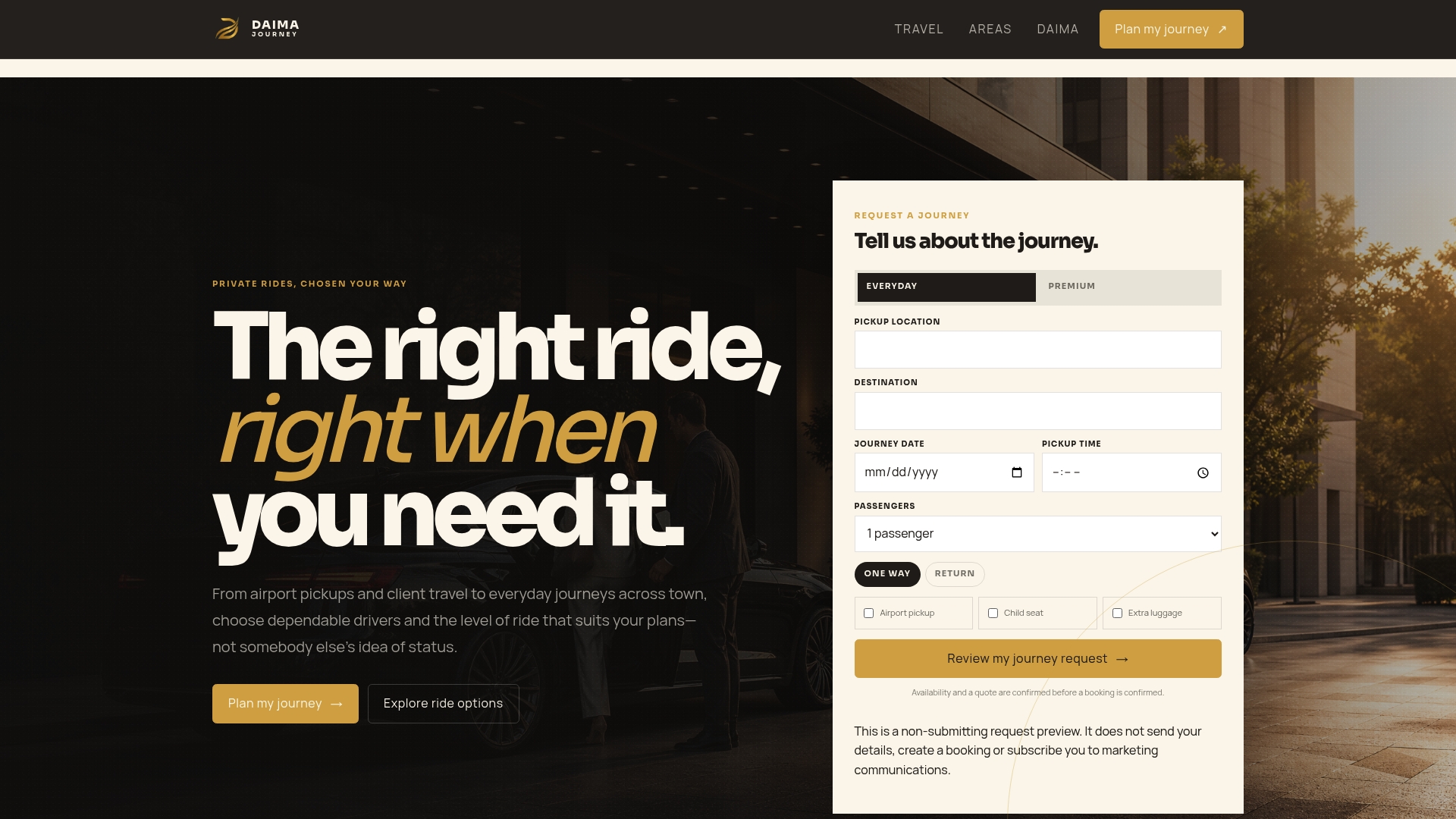
The Everyday service suits travellers who want a comfortable, no-fuss ride to the airport, while the Premium option fits business trips or occasions where a more polished arrival matters. Either way, the process is the same: you share your pickup details and flight information, Daima Journey reviews the request and confirms the vehicle, and you get pickup instructions and a driver contact well ahead of departure. Families travelling with children can request child seats, and groups with heavy luggage get help loading and unloading rather than managing it solo on a train platform.
If you’re heading to Sydney Airport from anywhere in the Blue Mountains, request a quote for your airport transfer and get a confirmed plan in place before you need it.
Sources
- Transportnsw
- Getting to the Blue Mountains – Visit NSW
- Blue Mountains to Sydney Airport (SYD) – 4 ways to travel via train